The Future of Renewable Energy in the United States
This project is about discussing wind, hydroelectric, and solar power and renewable energies and discussing the pros and cons of each. There may be a discussion of using these fuels in a specific attempt to replace fossil fuels and push for a sustainable future in the United States. There will also be a discussion on how these technologies work together in being “naturally occurring” and less disruptive to the environments that we live in.
The Problem
For over a century, the United States has relied heavily on fossil fuels like coal, oil, and natural gas to power homes, vehicles, and industries. While these energy sources have supported economic growth, they have also led to major environmental problems such as greenhouse gas emissions, air pollution, and water contamination. The overuse of nonrenewable resources also contributes to global warming and environmental degradation. As energy demand increases, continuing to depend on fossil fuels poses risks not only to the planet but also to national energy security and public health.
The Solution
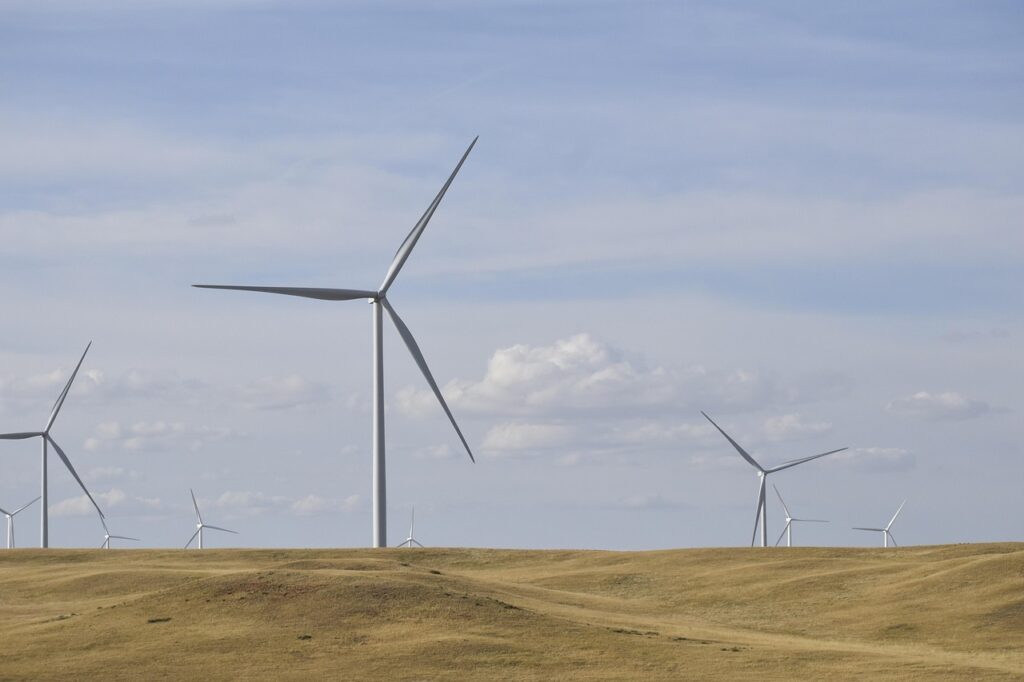
The solution lies in embracing renewable energy sources that are naturally replenished and less harmful to the environment. Solar power captures energy from the sun, wind power uses air movement to generate electricity, and hydroelectric power converts flowing water into energy. Each has its advantages: solar panels are increasingly affordable, wind farms provide clean energy at large scales, and hydroelectric plants offer steady, reliable output. When combined, these technologies can balance one another—solar during sunny days, wind during cooler or nighttime periods, and hydro to fill in the gaps—creating a stable, sustainable energy network. By investing in renewable infrastructure, offering government incentives, and improving energy storage systems, the United States can significantly reduce its carbon footprint while creating new jobs and industries.

